01
We are hereBase Camp
Prepare for the fight. Learn about our opponent. Select our cornerman and fight coaches. Find passion and solace in knowledge and learning, and get as prepared for the fight as possible.
July 23, 2026 · San Diego
The research, consultations, and difficult choices led to a decision: surgery with Dr. Brumund, scheduled for September 22, 2026. TORS robotic surgery to remove the tonsil, plus a neck dissection to remove the tumor in my neck. Going into surgery, my hope was clear margins and limited risk factors.
“I have one throat, one voice.”— Jason
Husband. Business owner. Traveler. Fighter. Relentless optimist. Ashley and I built a life around movement, curiosity and seeing the world together. Cancer did not erase that life. It interrupted it.






Turn the sound on. This is where the story begins.
Prepare for the fight. Learn about our opponent. Select our cornerman and fight coaches. Find passion and solace in knowledge and learning, and get as prepared for the fight as possible.
Surgery. Radiation. Chemotherapy if required. Nutrition, pain management and the difficult days nobody can fully predict.
Heal. Swallow. Speak. Eat. Swallow harder. PT for the shoulder and neck after surgery. Rebuild strength and confidence while watching carefully for recurrence.
Return to 208 pounds—leaner, stronger, better conditioned and fully operational. Not merely alive, but back to thriving.
Before we fight, we build the game plan. We identify the danger, study the angles, assemble the right coaches, and choose what we will and will not accept. We will not allow cancer to dictate the terms, we will fight our fight. Since July 23, the mission is to be the best fighter possible. We will fight to win back everything and more.
Same-day evaluation. Ron is concerned and orders an ultrasound and oncology referral.
A clinical note records that Jason noticed the neck swelling after boxing.
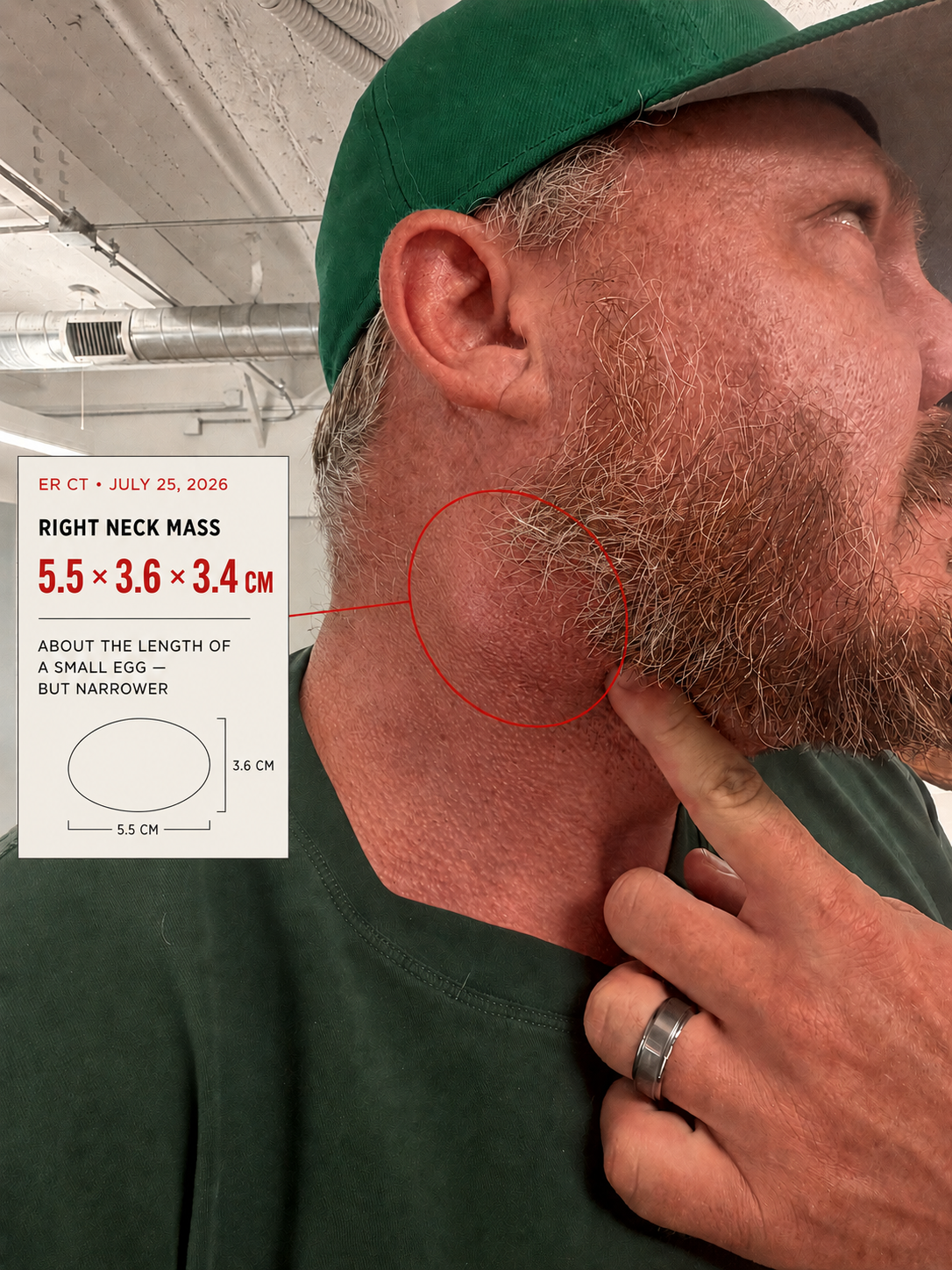
The right-neck mass measures 5.5 × 3.2 × 3.9 cm.
Ultrasound measured a 5.5 cm mixed solid and cystic neck mass.
CT imaging identified the right-neck mass but found no definite malignancy in the chest, abdomen or pelvis.
At this point, imaging showed the mass in Jason’s neck, while its exact type and origin remained unconfirmed.
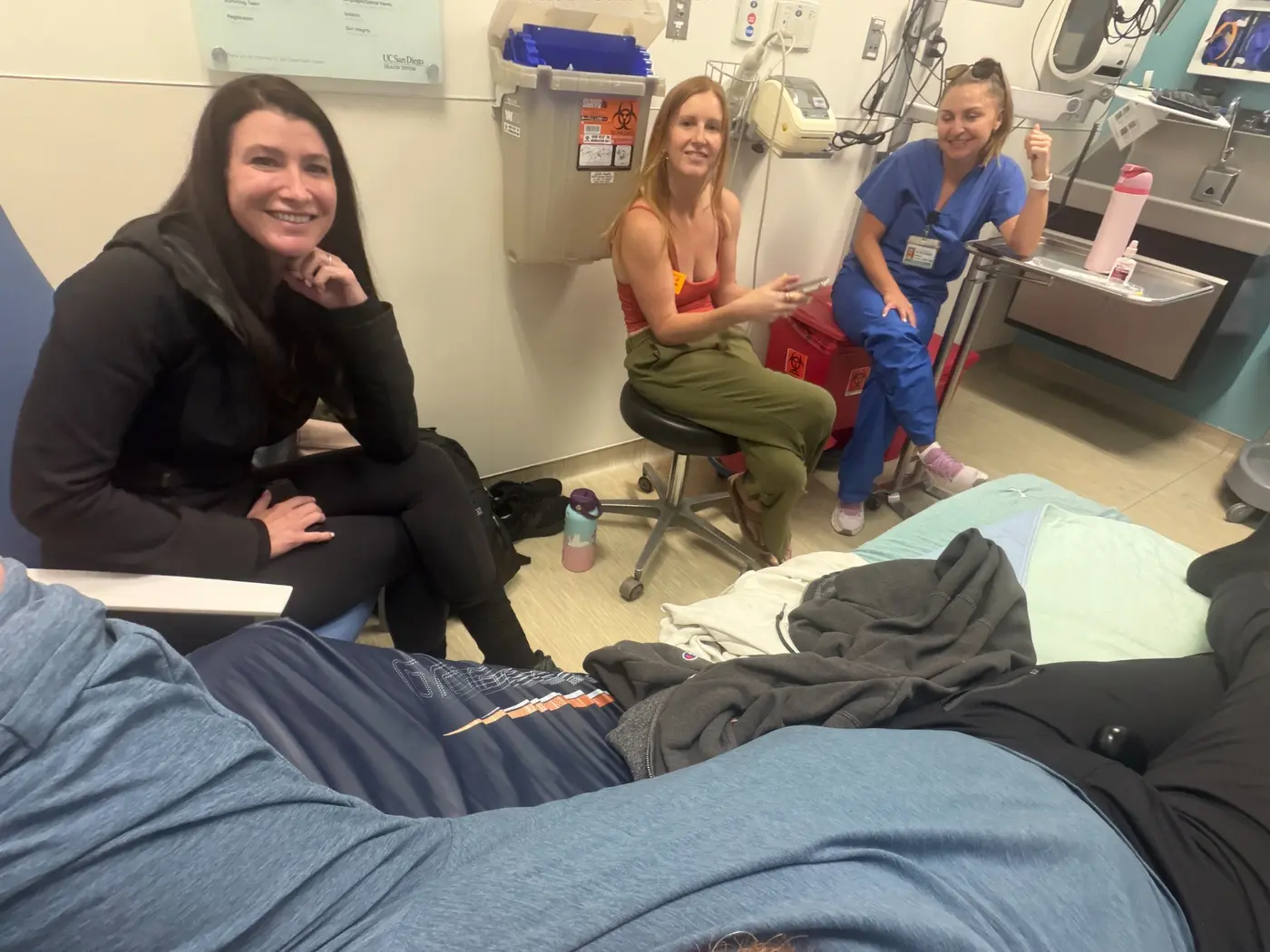
Flexible scope, approximately 26 cc aspirated from the mass, and right-tonsil swelling noted.
The first aspiration did not provide the tissue answer Jason needed.
PET/CT further evaluated the neck mass and primary site and showed no definite distant metastatic disease.
Additional imaging for staging and primary-site evaluation. The emotional turn had already happened in the emergency room on July 25.
Specialist evaluation and another neck sampling attempt. The neck samples remain nondiagnostic.
Doctors and scans could identify the threat, but tissue still had not established its origin.
The right tonsil is larger, more prominent, mildly erythematous and firmer. Targeted biopsy recommended; NavDx drawn.
Examinations increasingly focused on the right tonsil, but the primary remained unconfirmed.
Local radiation, proton therapy and Mayo's surgery-first DART pathway are compared.
The decision expanded from controlling the cancer to limiting unnecessary treatment to Jason’s throat and protecting life after it.
TTMV score 31, Positive; HPV16 detected. Important evidence, but not a substitute for tissue pathology.
NavDx detected circulating HPV16 tumor DNA, while permanent tissue pathology and the exact primary site remained unresolved.
Examination under anesthesia and right-tonsil biopsy only. No tonsillectomy or additional resection. Pathology pending.
Jason accepted the limits of a biopsy-only procedure in order to preserve his ability to choose the complete treatment strategy afterward.
Virtual head-and-neck radiation oncology consultation scheduled.
A second expert view of the treatment choices before surgery.
TORS robotic tonsil removal and a neck dissection to remove the tumor in the neck.
A big leap, with hope for clear margins and limited risk factors—and confidence in the team and the decision.
The consultations, procedures and follow-up visits used to understand the opponent, preserve options and assemble the right team.

Danielle T., SLP · McGrath Head & Neck
Danielle T., SLP · McGrath Head & Neck
Theresa Guo, MD · HNS Via Tazon
La Jolla Emergency · Initial head-and-neck evaluation

Kathryn Bollin, MD · Scripps Prebys Cancer Center
Scripps Health
Kevin Brumund, MD · Scripps Mercy Hospital San Diego East OR
Shane Mesko, MD · Scripps Prebys Cancer Center
Scripps Health team
Kevin Brumund, MD · Scripps Prebys Cancer Center
Ronald Schlotfelt, MD · Scripps Coastal Hillcrest

Lindsay Larson, NP
Lindsay Larson, NP · Perlman Clinic La Mesa
• Electrocardiogram (EKG)
Lindsay Larson, NP
Lindsay Larson, NP

Diego Razura, MD · Otolaryngology, Phoenix
Rodrigo Bayon, MD · Otolaryngology, Phoenix

Zachary S. Zumsteg, MD · Virtual visit
Appointment history shown from July 22 through currently scheduled care. Administrative telephone and documentation entries are condensed.
Dr. Schlotfelt’s concern made cancer a possibility. Jason’s contemporaneous words were direct: “I’m getting nervous and scared.”
CT imaging found no definite malignancy in the chest, abdomen or pelvis. The neck mass remained unexplained, and no tissue diagnosis had yet been established.
Imaging and specialist examinations kept pointing toward the same name.
Physicians’ leading diagnosis—not yet permanent tissue pathology.
oropharyngeal squamous cell carcinoma
HPV-positive OPSCC often begins as a small or hidden tumor in the tonsil or at the base of the tongue. It may first reveal itself after spreading to a lymph node in the neck—meaning the neck mass can be much larger and easier to find than the original throat tumor.
That was the pattern doctors suspected in my case. The primary tumor was still hiding, while the mass in my right neck measured 5.5 × 3.6 × 3.4 cm on the July 25 ER CT.
Base Camp became a search for the people who could see every angle of the fight—and help me understand what life might look like after each treatment.
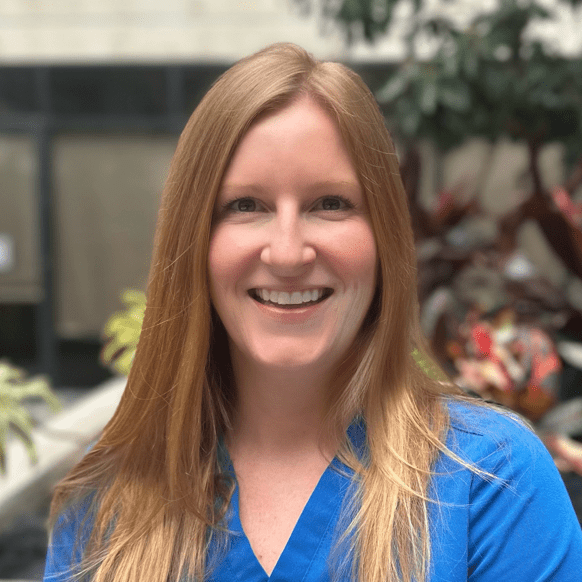
My primary-care anchor: orders, referrals and follow-up as Base Camp accelerated.
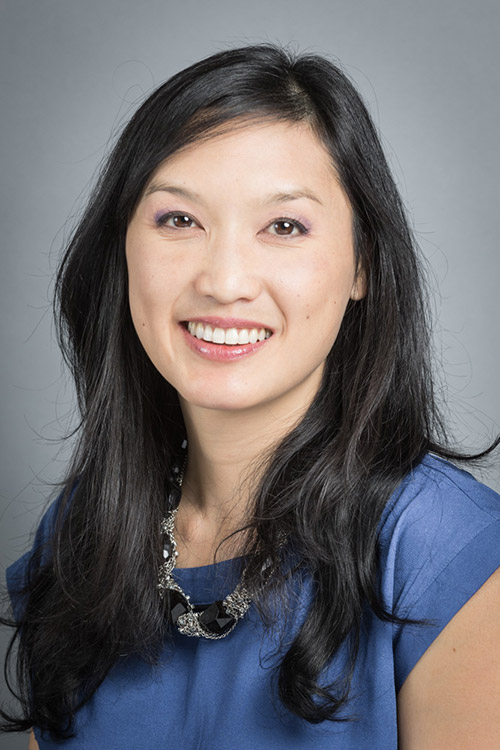
She performed the first needle aspiration and biopsy, removed fluid from the mass and noted right-tonsil swelling.
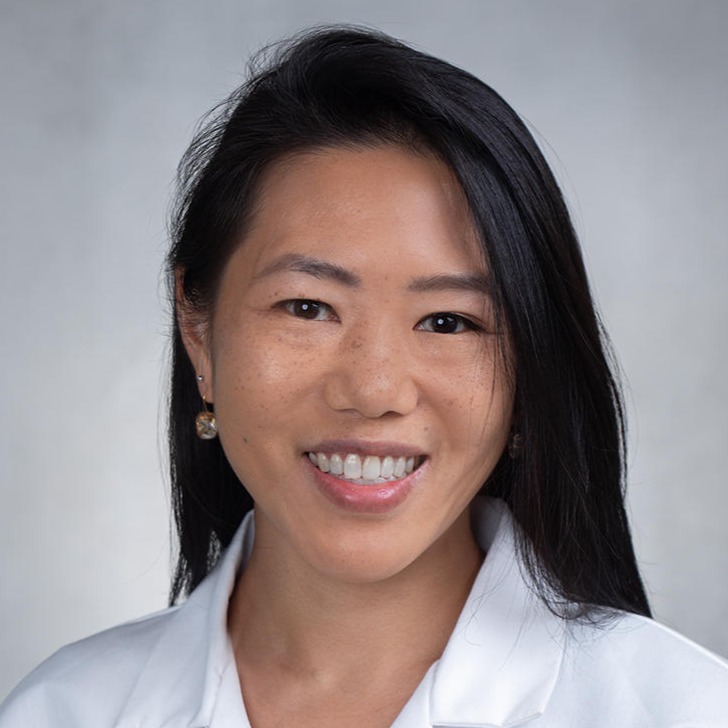
Her examination helped focus attention on the asymmetric, firmer right tonsil.
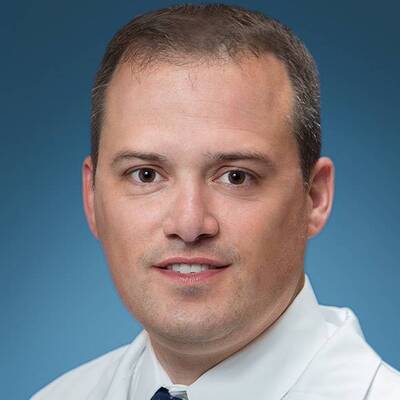
He examined the mass, said cancer had to be considered and started the urgent workup.
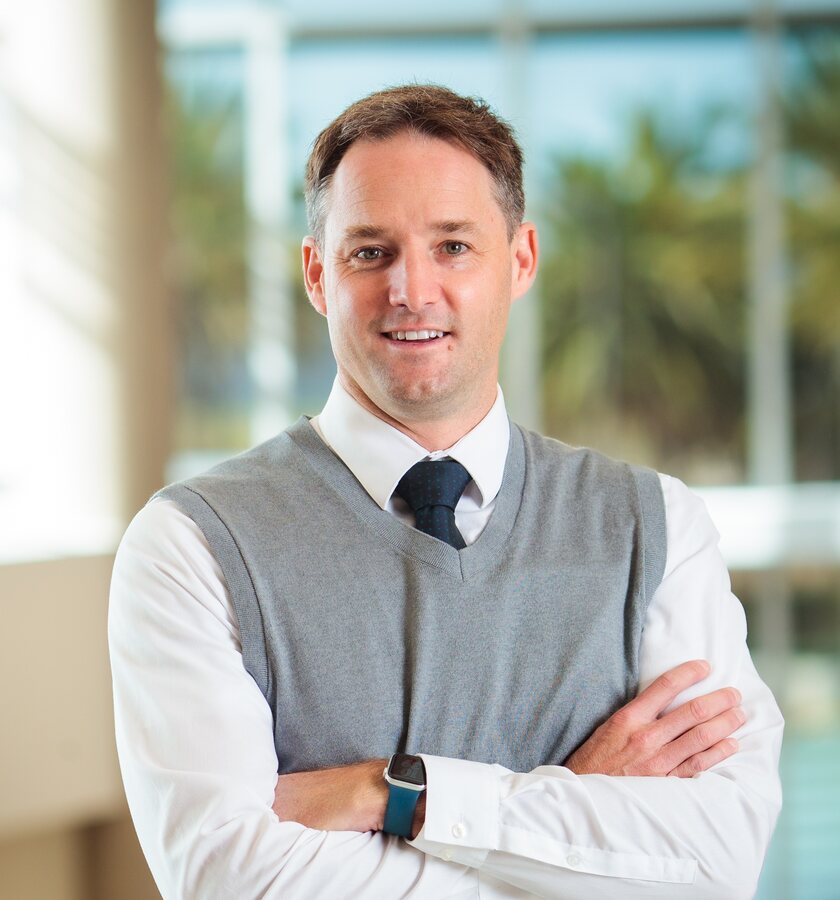

A specialist view of whether proton therapy could reduce unnecessary radiation exposure.

A surgery-first discussion with postoperative treatment shaped by risk.

Jason went looking for the best head-and-neck surgeon in California. His name is Kevin Brumund.
Dr. Brumund may be able to remove the primary tumor and affected lymph nodes with clear margins. Observation rather than immediate radiation or chemotherapy may be medically supportable only if final pathology is sufficiently favorable—including negative margins, no extranodal extension, no lymphovascular invasion, no perineural invasion, and an acceptably limited nodal burden.
This is a pathology-dependent possibility, not a guarantee.Before setting the surgery date, I compared the options below. I chose surgery with Dr. Brumund, with the hope of clear margins and limited risk factors. The final pathology would help determine what came next.
Ryan et al. retrospectively studied 344 patients with HPV-positive oropharyngeal cancer treated with transoral surgery and neck dissection without postoperative radiation or chemotherapy.
E3311 prospectively observed carefully selected low-risk patients after transoral surgery.
SIRS was a nonrandomized phase II study of carefully selected, early-stage p16-positive oropharyngeal cancer patients whose postoperative treatment was assigned by surgical pathology.
Close observation and surveillance without immediate radiation or chemotherapy may be medically supportable. The final recommendation still belongs to Jason’s treating team.
Findings such as ENE, positive or close margins, LVI, PNI or greater nodal burden may require more treatment. Jason’s preferred contingency is the Cedars-Sinai ULTRA-HPV trial if he remains eligible; pathology alone does not guarantee eligibility, a dose or omission of chemotherapy.
These were the approaches I weighed before choosing surgery. Each offered a different route through treatment and recovery.
These were the strategies discussed before surgery. Exact recommendations, radiation dose, chemotherapy, trial eligibility and the safety of observation depend on surgery, final pathology, postoperative testing and the treating teams’ judgment.
September 2026 · Before surgery
Surgery is scheduled.
The team is chosen.
Dr. Kevin Brumund
Surgical team
THE PLAN
Robotic removal of the tonsil.
Removal of the tumor in my neck.
My hope going in: clear margins and limited risk factors.
“This is a big leap, but I am hopeful, and mostly, I am confident in the team and the decision.”
JASON · BEFORE SURGERY
This will not look like a gentle medical chapter. It is going to be a fight.
Fight it. Fight through the pain. Get back to the good life. In one piece.
Then we take it all back.
Cure is the first measure of success. Function is the second. Recovery means rebuilding the ordinary things cancer treatment can make extraordinary: swallowing, speaking, eating, sleeping, working and trusting my body again.
The goal is not to limp back to the person I was. The goal is to deliberately regain weight, strength, conditioning, energy, confidence and daily rhythm—ultimately returning to 208 pounds strong, leaner and fully operational.
Cancer gets a chapter. It does not get the ending.
Family. Friends. Ballgames. Dogs. Appointments. Base Camp. A few moments from life right now—updated whenever there is something worth adding.
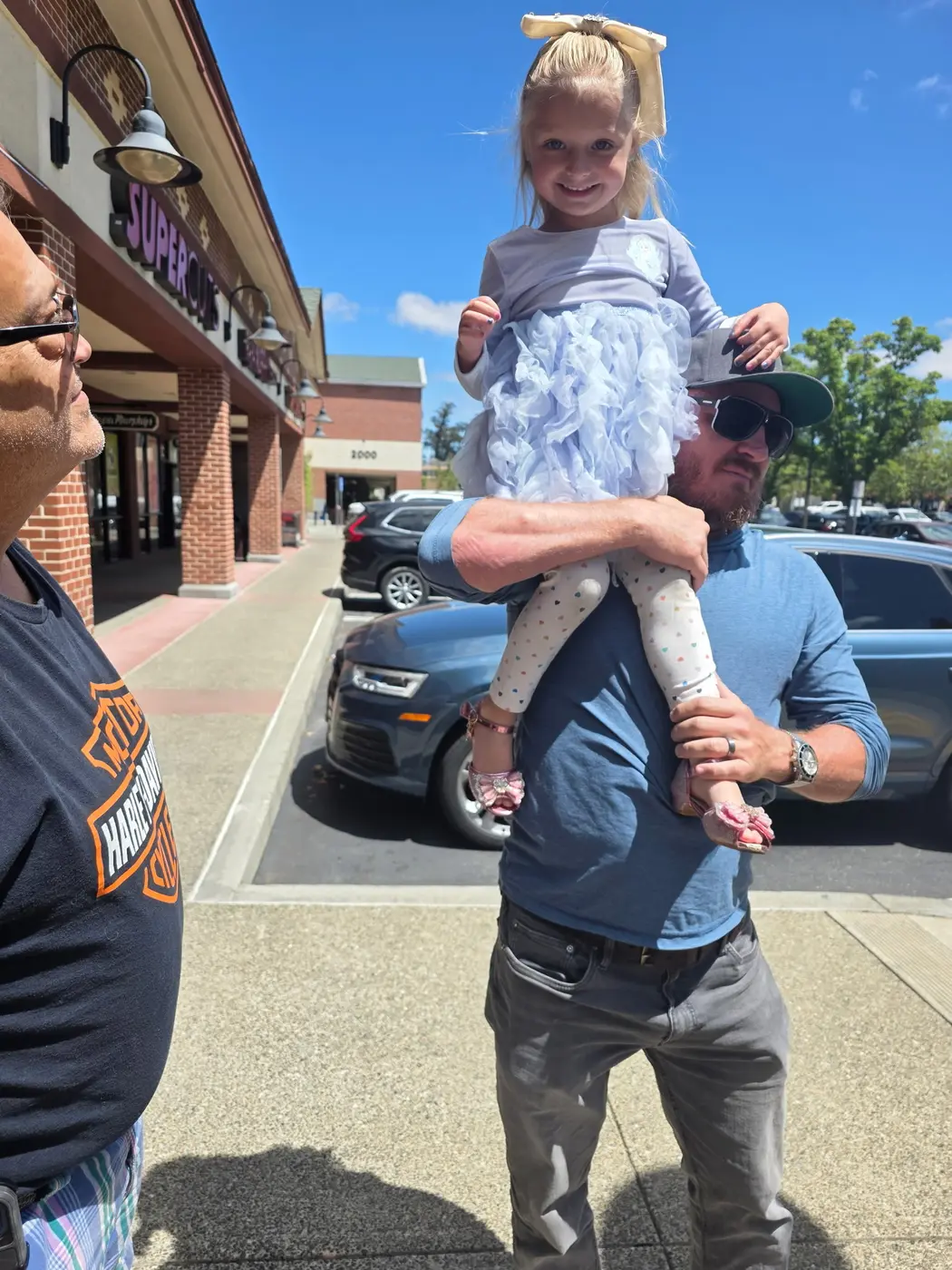


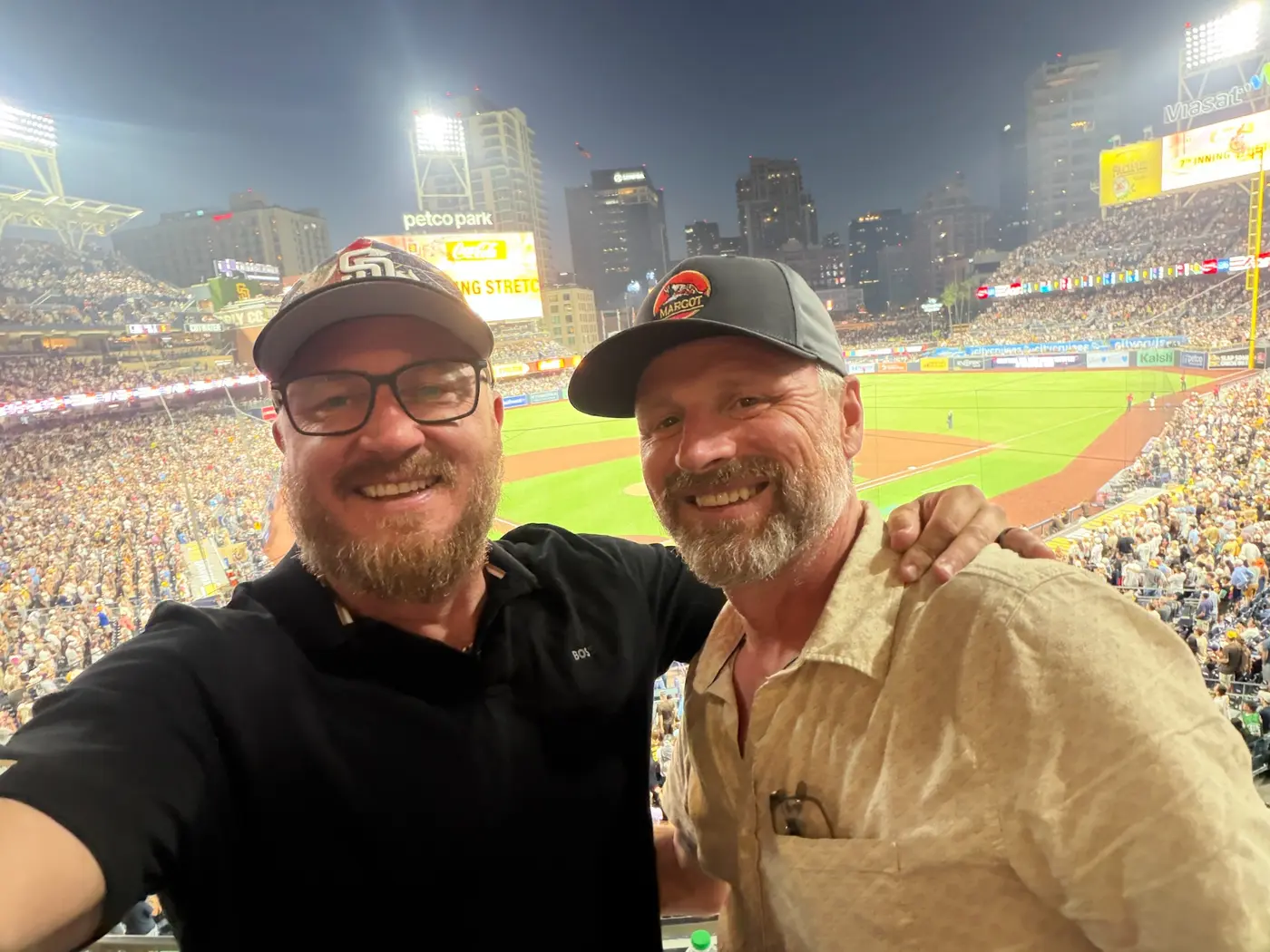
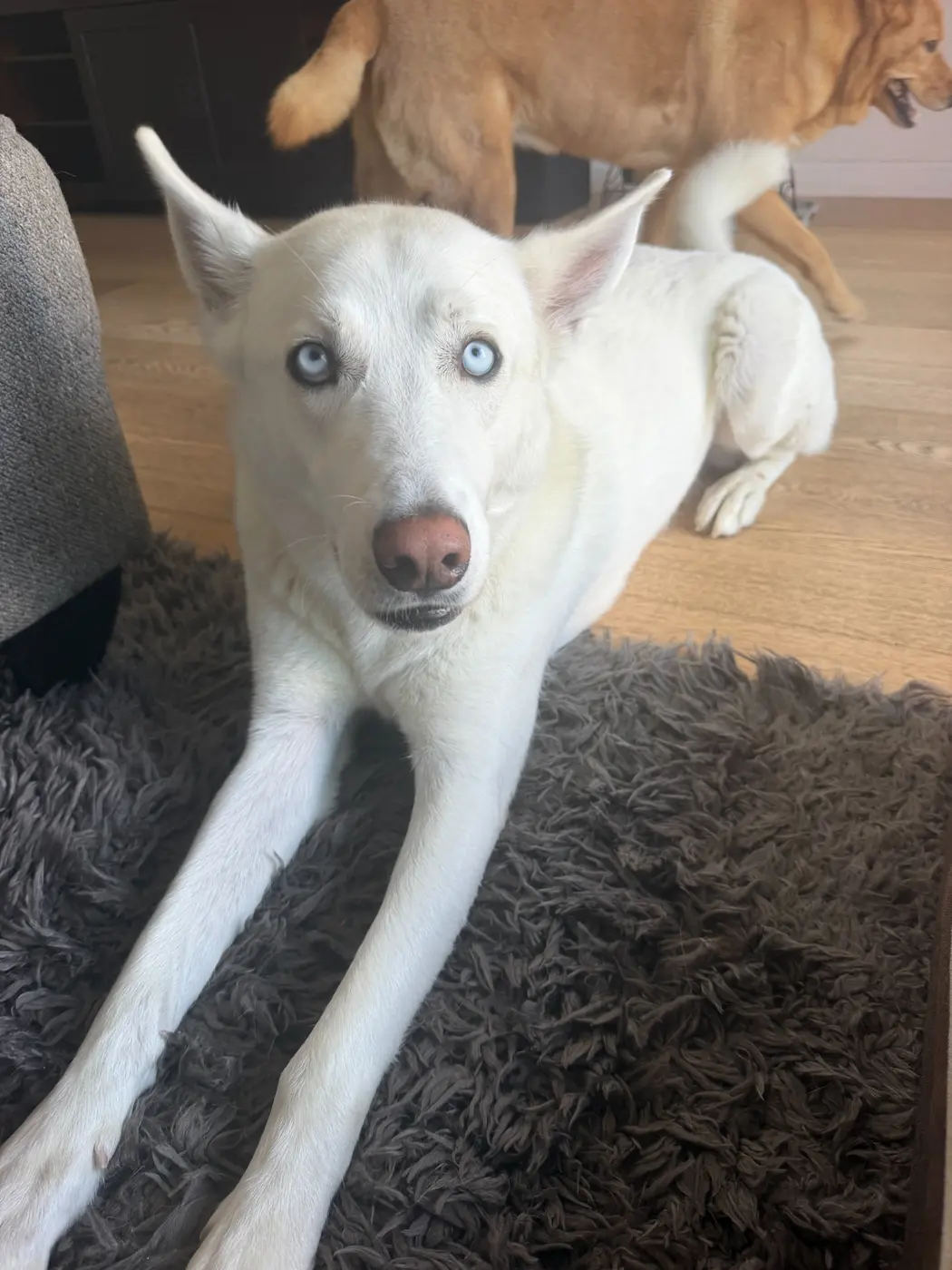
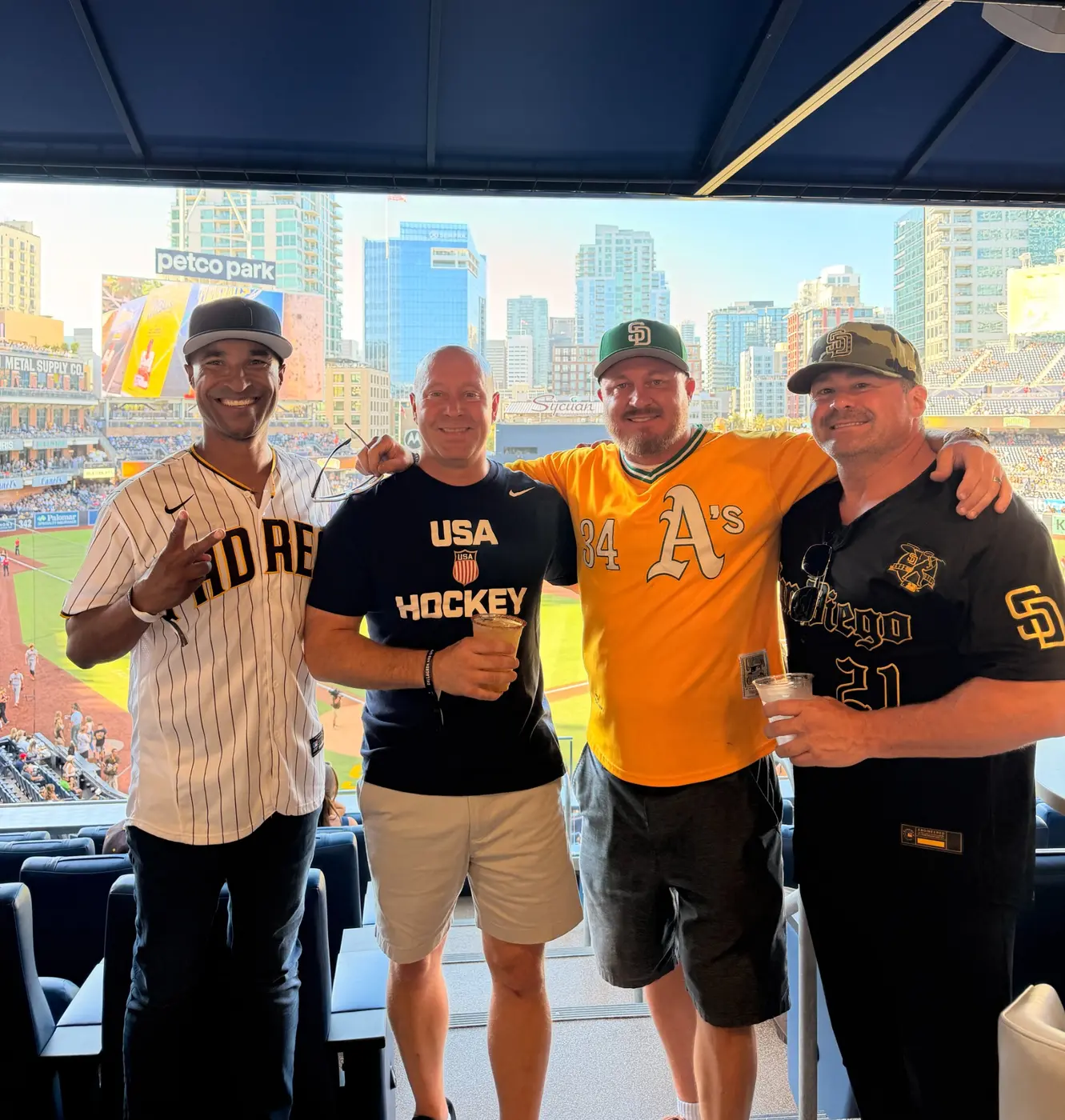
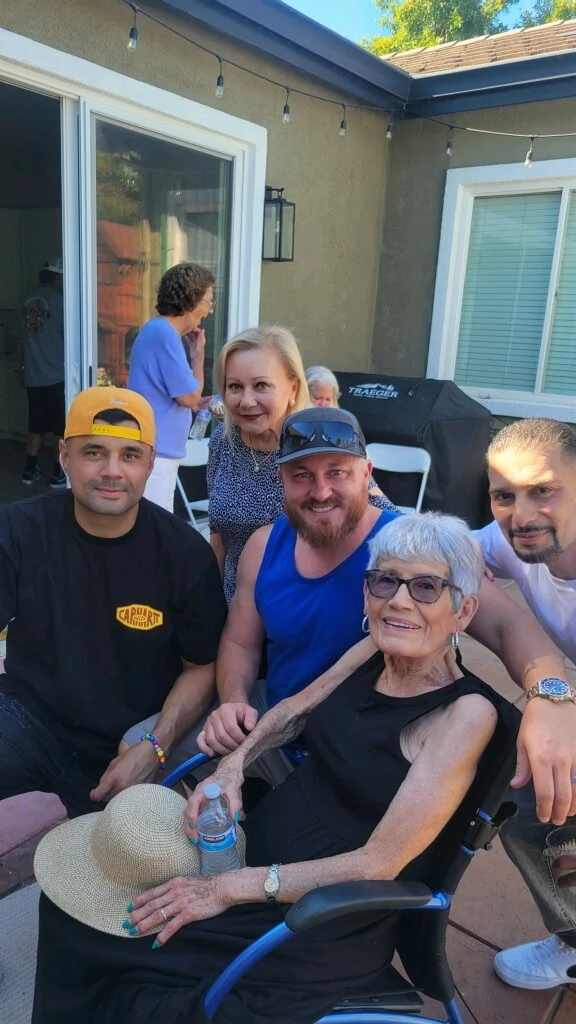
Life keeps happening. So will this page.
Ashley. Family. Friends. Faraway places. The ordinary nights and ridiculous adventures that made this life beautiful long before cancer entered it—and everything I intend to get back to.

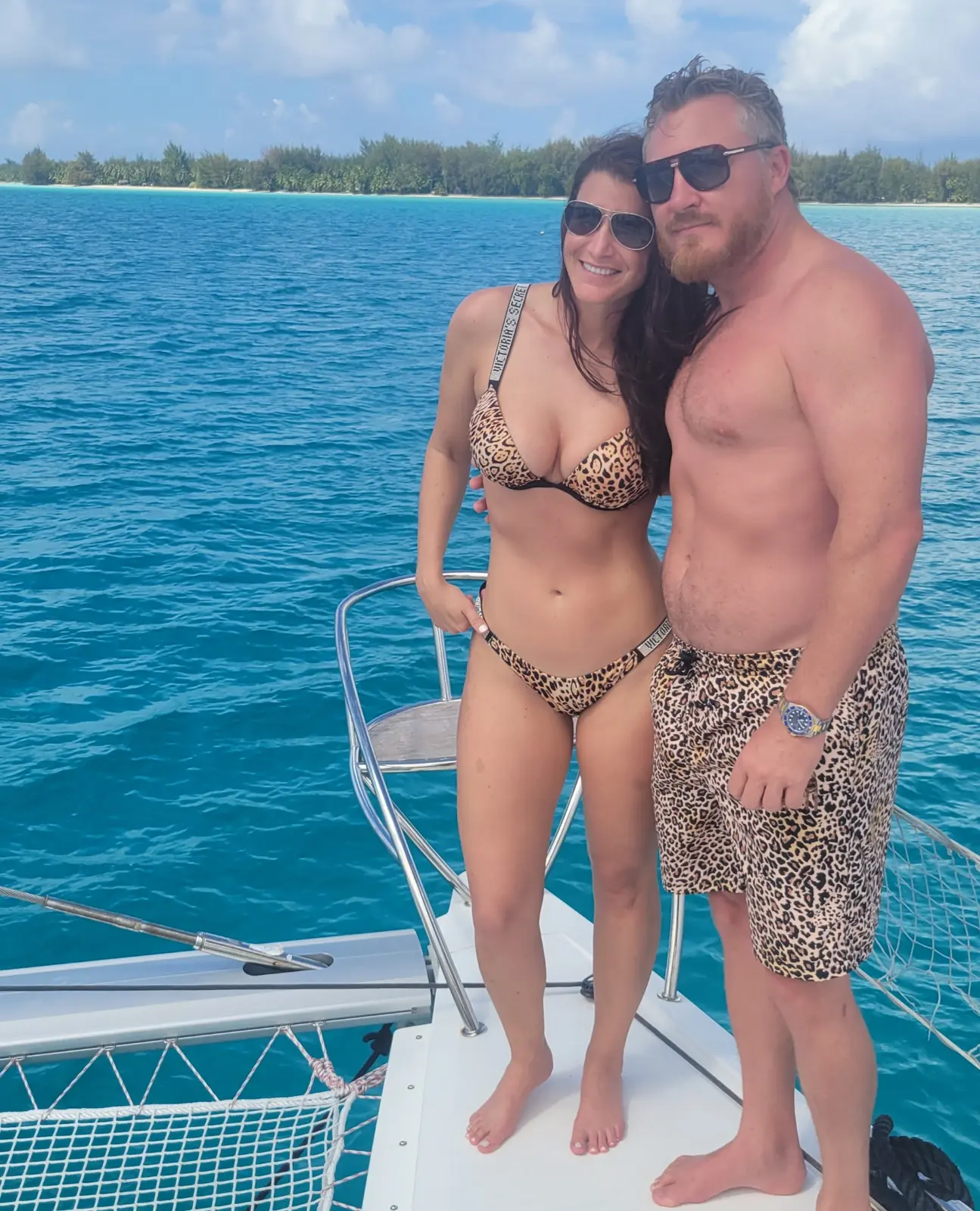
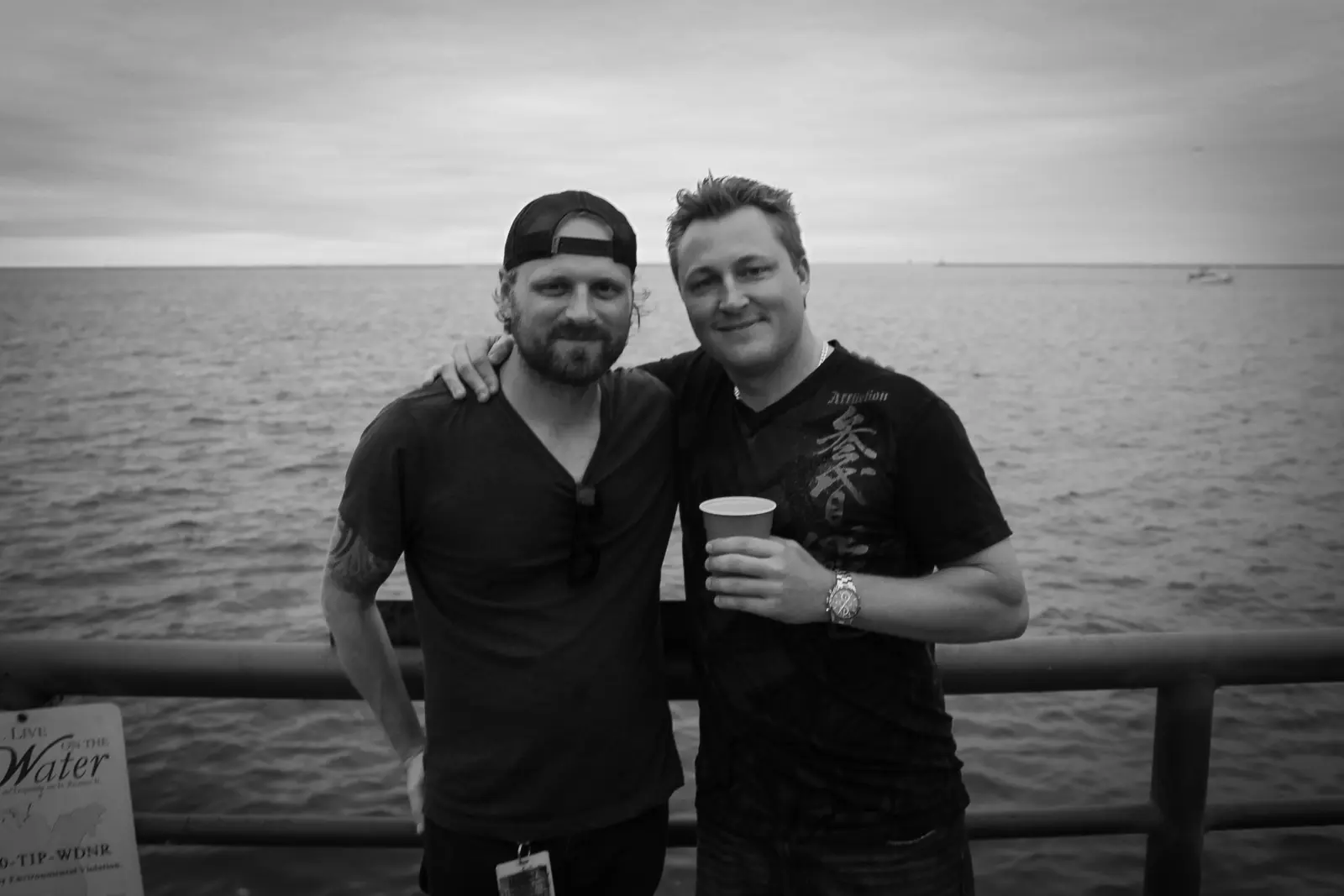
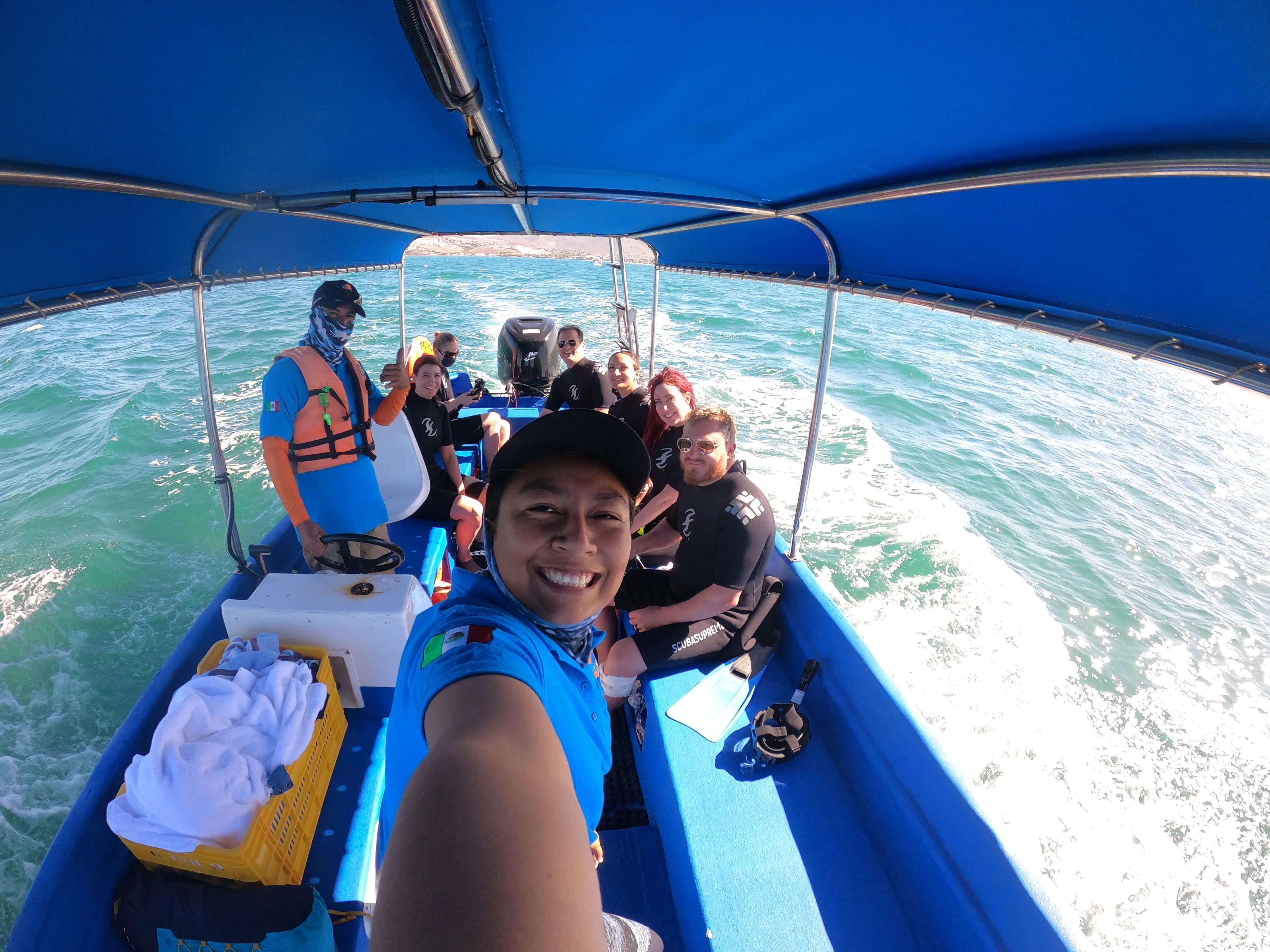
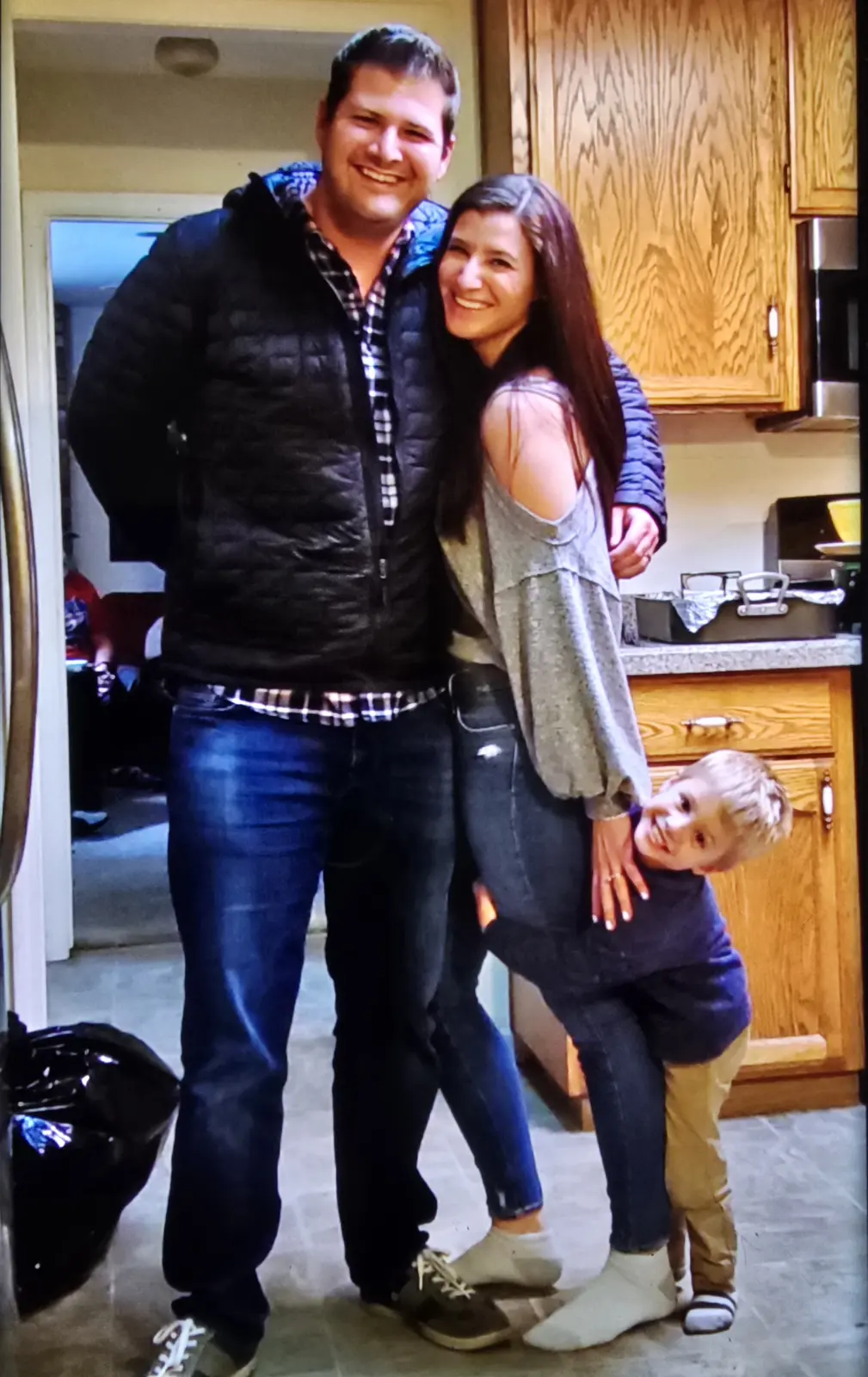

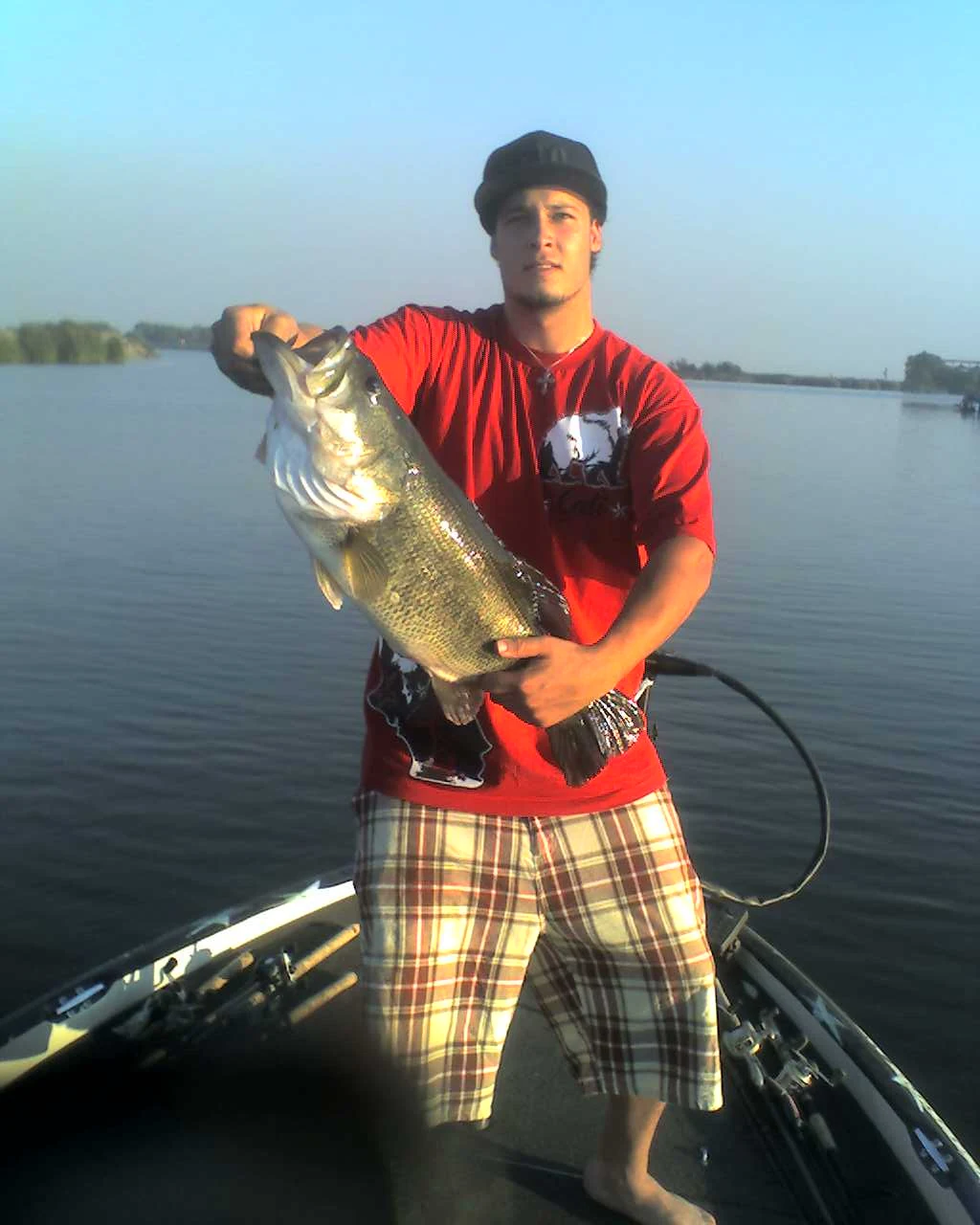
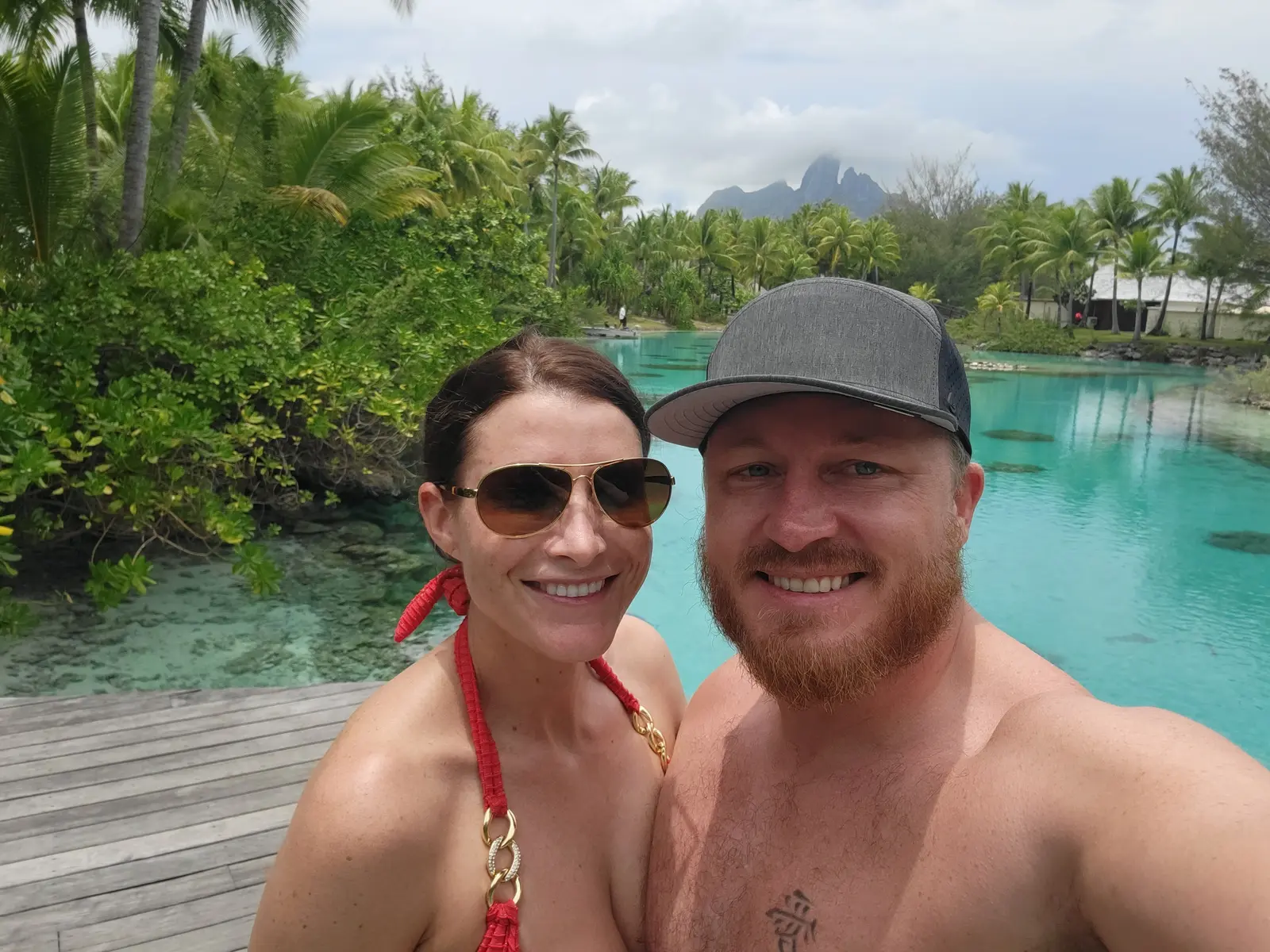
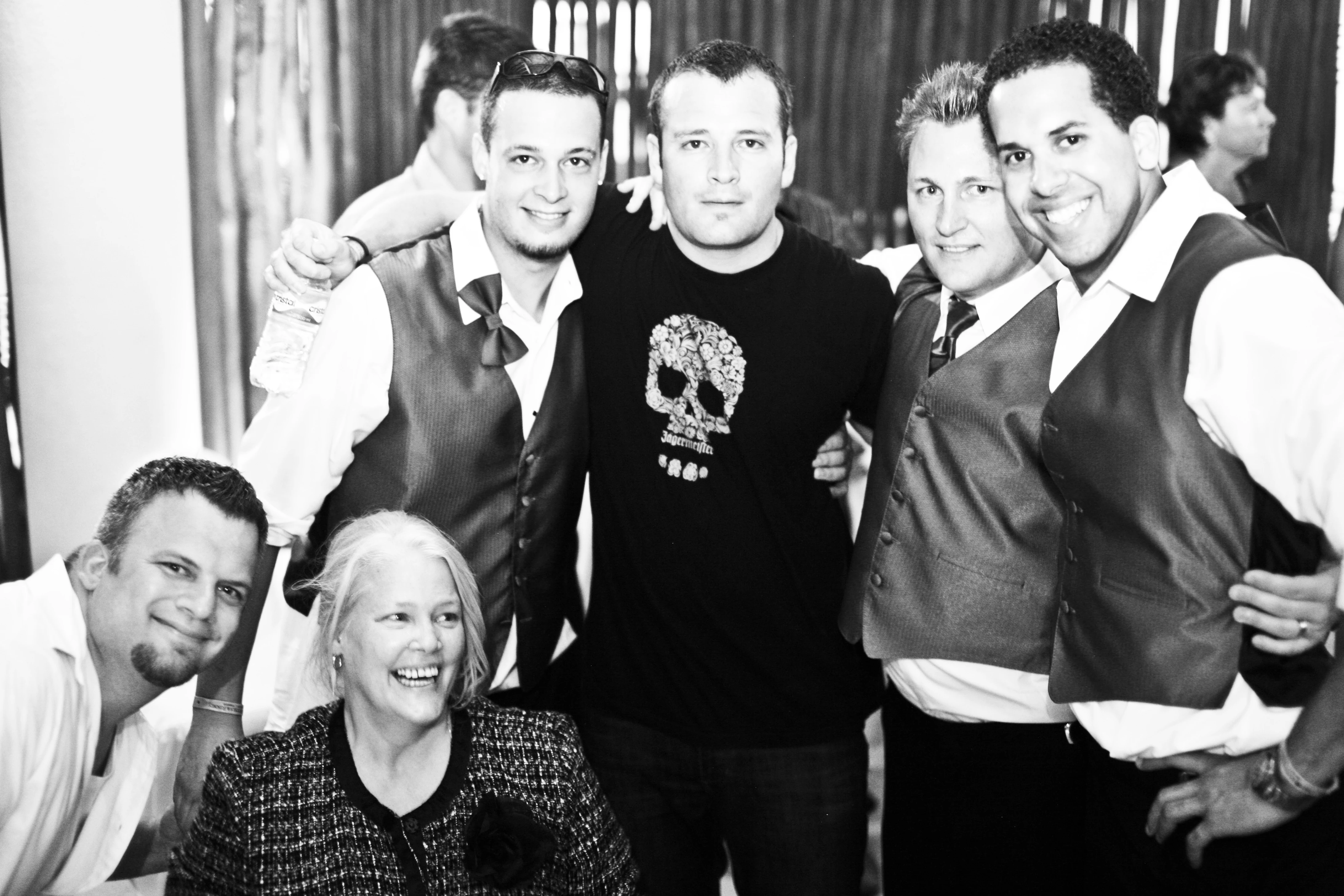
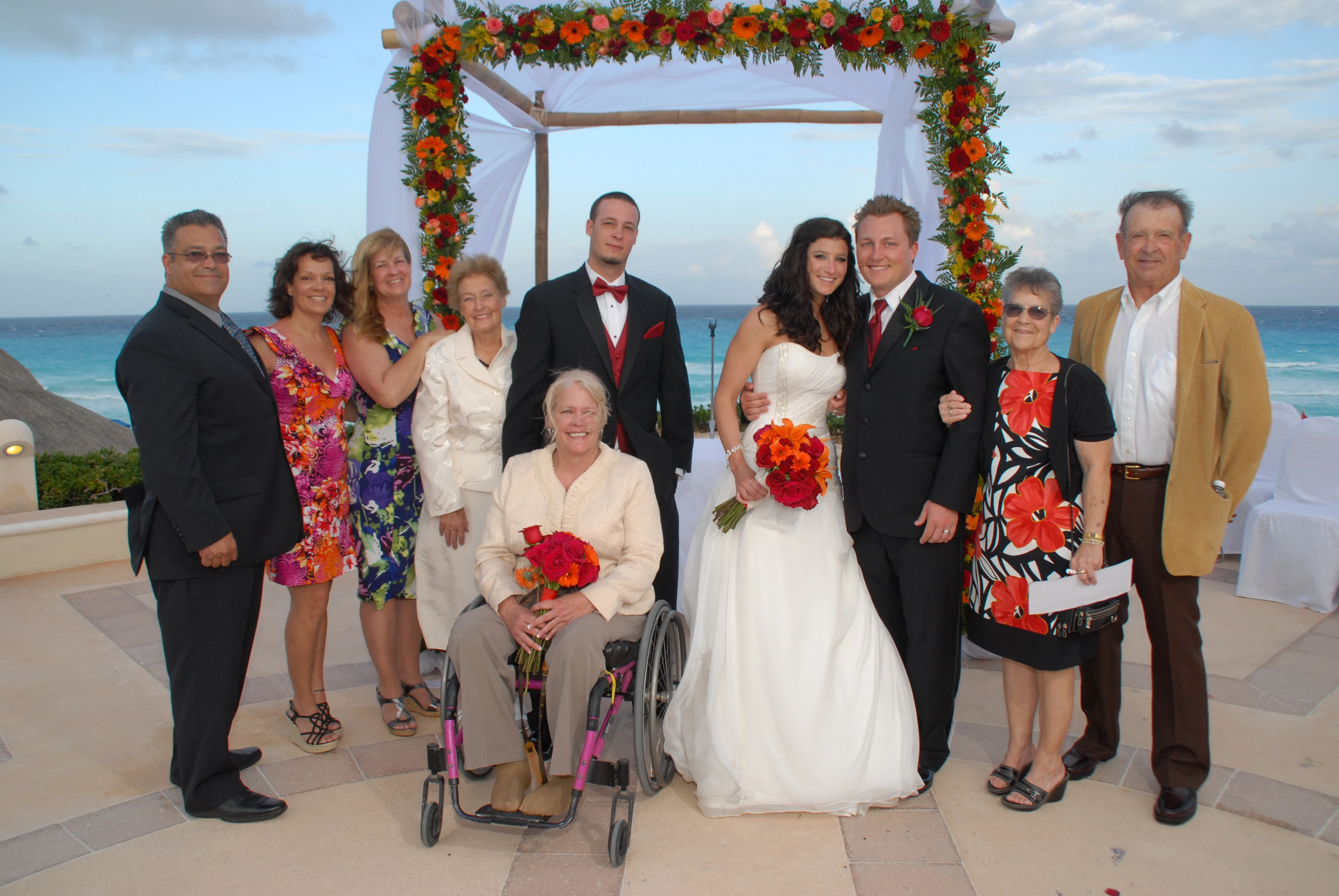
The life around this fight remains larger than the diagnosis.
Surgery with Dr. Brumund was scheduled for September 22, 2026: TORS robotic tonsil removal and a neck dissection.
I went into the next chapter hopeful for clear margins and limited risk factors—and confident in the team and the decision.
Return to the decision